Wallpaper Removal vs. Painting Over Wallpaper: What's the Better Option?

Key Points
- Wallpaper removal typically costs $1-$3 per square foot, while painting over wallpaper costs $0.75-$1.50 per square foot
- Removing wallpaper creates a smooth surface for better paint adhesion and longer-lasting results
- Painting over wallpaper is cheaper but can fail if wallpaper doesn't adhere properly or edges start peeling
- Pre-1980s wallpaper may contain asbestos or lead paint, requiring special handling during removal
- Professional removal includes surface repair and preparation for a flawless painted finish
- Moisture, humidity, and wall condition all affect whether painting over wallpaper will succeed
- Removing wallpaper adds 3-5 days to your project timeline but delivers superior results
- WHOA Paintings handles complete wallpaper removal and professional interior painting throughout Florida and Tennessee
So you've got wallpaper on your walls and you're ready for a change. Maybe it's outdated, maybe it's peeling, or maybe you just want to go back to painted walls. The question is: do you remove the wallpaper first, or just paint over it?
It's tempting to think you can save time and money by painting right over that wallpaper. And technically, you can. But should you? That's a different question entirely. Let's break down both options so you can make an informed decision about what's actually best for your space.
Understanding Your Options
Before we compare, let's be clear about what we're talking about.
Wallpaper Removal
Removing wallpaper means taking it completely off your walls down to bare drywall or plaster. This involves scoring the wallpaper, using removal solutions, scraping it away, repairing any damage, and preparing the wall for paint.
Painting Over Wallpaper
Painting over wallpaper means leaving the wallpaper in place and applying primer and paint directly on top of it. It's faster and cheaper upfront, but comes with risks.
Option 1: Remove the Wallpaper
Pros of Wallpaper Removal
Creates a smooth surface: Bare walls take paint beautifully, resulting in a professional, polished finish.
Better paint adhesion: Paint bonds to drywall properly, not to wallpaper that might fail or peel later.
Longer-lasting results: Paint applied to properly prepared walls lasts 7-10 years. Paint over wallpaper might fail in 2-3 years.
Solves underlying problems: Removal reveals water damage, mold, or other wall issues that need addressing before painting.
You can repair damage: Once wallpaper is off, holes, cracks, or previous damage can be properly fixed (read our guide on drywall repair before painting).
Clean slate: You're starting fresh with a surface you know is sound.
Better for future changes: Painted walls are easier to repaint or add new wallpaper if you change your mind later.
Professional appearance: The final result looks intentional and finished.
Cons of Wallpaper Removal
Higher cost: $1-$3 per square foot, typically $500-$2,000+ for an average home.
More time-consuming: 3-5 days for professionals, longer for DIY.
Disruption: Your space is messy and disrupted during the removal process.
May reveal damage: Sometimes what's under wallpaper surprises you (water damage, mold, poor previous repairs), adding to costs if repairs are needed.
Can damage walls: Improper removal technique can damage drywall or plaster underneath, requiring repair.
Requires careful technique: Removing wallpaper properly takes skill and experience to avoid damaging surfaces.
Option 2: Paint Over Wallpaper
Pros of Painting Over
Much cheaper: $0.75-$1.50 per square foot, typically $300-$800 for an average home.
Faster: Can be done in 1-2 days.
Less disruption: No removal process, just primer and paint.
No surprises: You don't have to deal with whatever's hiding under the wallpaper.
Quick refresh: If you just want to change the look fast and affordably, painting over works.
Cons of Painting Over
Wallpaper edges may peel: As humidity and temperature change, wallpaper can start peeling at edges or seams, taking paint with it.
Doesn't solve underlying issues: Problems hidden under wallpaper remain unaddressed.
Paint may bubble or peel: If wallpaper doesn't adhere perfectly, paint won't either.
Texture remains: You can see the wallpaper pattern under paint, and seams are visible.
Moisture problems: If there's any moisture or mold under the wallpaper, painting traps it and makes the problem worse.
Short-term solution: Paint over wallpaper typically lasts 2-5 years instead of 7-10 years.
Hard to remove later: If you paint over wallpaper and later want to remove it, removing paint-covered wallpaper is nightmare-level difficult.
Looks amateurish: Trained eyes can see the wallpaper underneath, making it look less polished.
When Painting Over Wallpaper Actually Works
Okay, so painting over wallpaper isn't ideal. But there are specific situations where it can work:
The wallpaper is in excellent condition: It's firmly adhered, no peeling edges, no damage.
The walls are completely dry: No moisture issues, no water damage under the paper.
It's a temporary solution: You know you're planning to remove the wallpaper later, but need a quick refresh now.
The wallpaper pattern is subtle: Bold patterns show through paint more obviously than subtle designs.
You're not planning to keep this long-term: If you're selling soon or renting, painting over might be a temporary solution.
Even in these cases, proper surface prep is critical. You need to:
- Clean the wallpaper thoroughly
- Seal any peeling edges with primer
- Use a quality primer-sealer that blocks stains
- Apply multiple coats of paint for better coverage
- Accept that results won't be perfect long-term
The Wallpaper Removal Process: What Professionals Do
If you decide removal is the right choice, here's what professional removal looks like:
Step 1: Assessment
Professionals evaluate the wallpaper condition, how well it adheres, and what's underneath. This determines the removal approach.
Step 2: Scoring and Removal Solution
The wallpaper is scored (tiny cuts made) to allow removal solution to penetrate. A commercial wallpaper removal solution is applied and left to soak, breaking down the adhesive.
Step 3: Scraping
Once the adhesive is broken down, wallpaper is carefully scraped away. Done properly, this removes wallpaper without damaging drywall underneath.
Step 4: Residue Removal
Any remaining adhesive is cleaned off thoroughly. Clean walls are essential for paint to adhere properly.
Step 5: Inspection and Repair
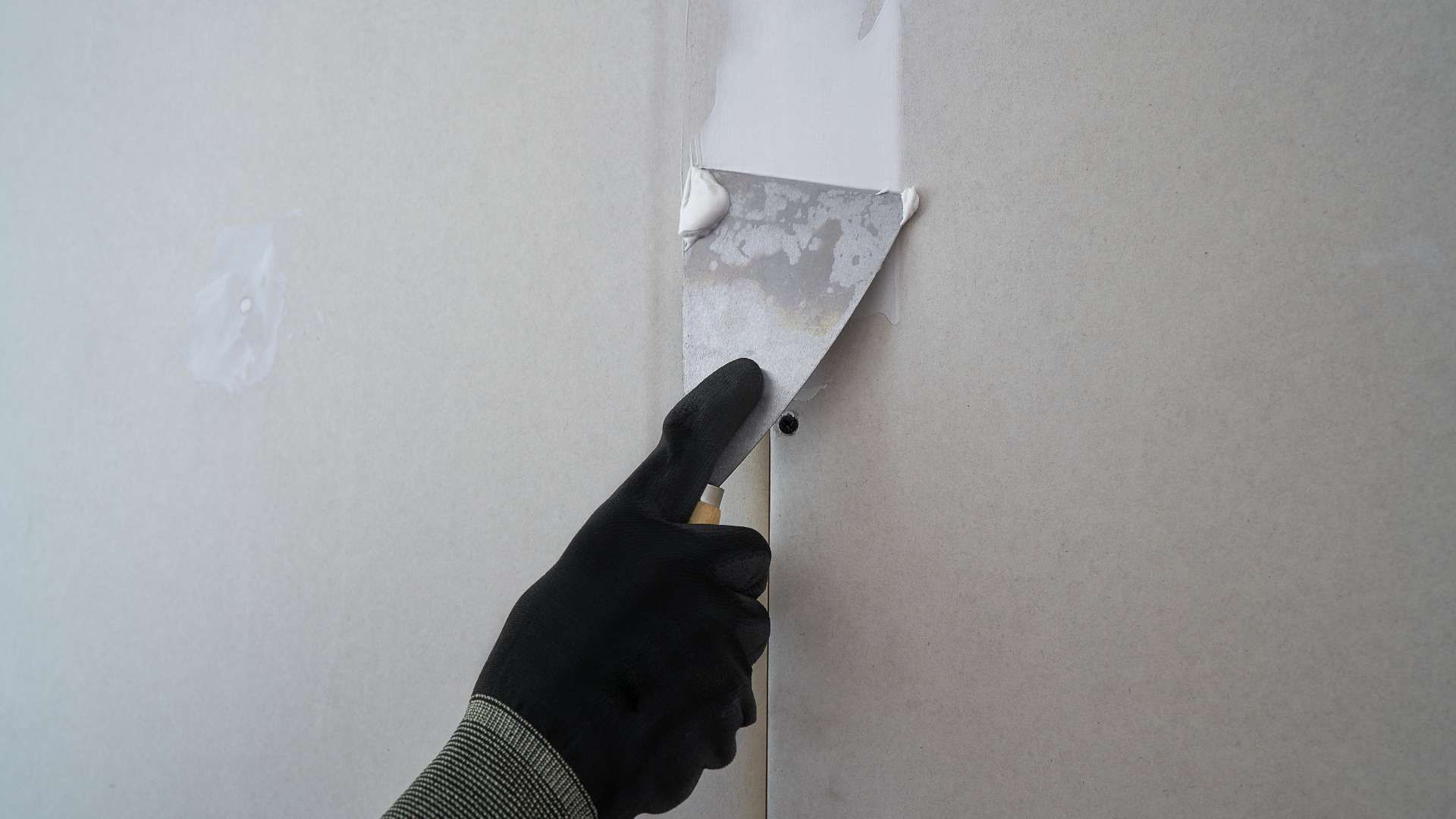
The bare wall is inspected for damage. Holes, gouges, water damage, or other issues are repaired using proper drywall repair techniques.
Step 6: Priming and Painting
Walls are primed and painted professionally, resulting in a smooth, beautiful finish.
Cost Comparison: Remove vs. Paint Over
Let's look at real numbers for a 400 square foot room:
Paint over wallpaper:
- Primer: $50-$75
- Paint: $75-$100
- Labor (1-2 days): $400-$600
- Total: $525-$775
Remove wallpaper:
- Removal solution and labor: $400-$1,200
- Any wall repairs: $100-$400
- Primer: $50-$75
- Paint: $75-$100
- Labor for prep and painting: $400-$600
- Total: $1,025-$2,375
The math over time:
If you paint over wallpaper and it fails in 3 years, you're looking at repainting again. Over a 10-year period, painting over wallpaper might cost $1,500-$2,500 total (multiple repaints). Professional removal at $1,500-$2,500 gives you 7-10 years before needing to repaint again.
The upfront savings disappear over time.
Special Considerations: Asbestos and Lead Paint
Here's something important: wallpaper and wallpaper adhesive made before 1980 may contain asbestos. Some older wallpapers also contain lead paint.
Asbestos in Wallpaper
Asbestos in wallpaper isn't dangerous if it's undisturbed. But removing it can release asbestos fibers into the air, creating a serious health hazard.
If you suspect asbestos:
- Have it professionally tested ($300-$500)
- If confirmed, hire a certified asbestos removal contractor
- Professional abatement adds $2,000-$5,000+ to costs
This is one area where painting over wallpaper might actually make sense temporarily—until you can budget for professional removal.
Lead Paint
Pre-1978 wallpaper backing and adhesives may contain lead. Disturbing lead paint creates lead dust, a serious health hazard, especially around children.
If lead is present:
- Hire EPA-certified lead removal professionals
- Follow proper containment and disposal procedures
- This adds significant cost
Wallpaper Removal in Florida and Tennessee
Florida Challenges
Humidity: Florida's constant moisture makes wallpaper adhesive fail faster. High humidity can cause wallpaper edges to peel and paint to bubble under wallpaper.
Salt air (coastal): Salt spray can weaken wallpaper adhesive and cause deterioration.
Mold and mildew: Moisture trapped under wallpaper can cause mold growth, making removal essential for health.
Climate swings: Air conditioning creating cool indoors versus hot outdoors causes condensation and adhesive breakdown.
Professional removal is strongly recommended in Florida because humidity issues make paint-over-wallpaper more likely to fail.
Tennessee Considerations
Seasonal humidity: Spring and summer humidity followed by drier winters causes expansion and contraction that stresses wallpaper adhesion.
Older homes: Many Tennessee homes have old wallpaper with unknown composition. Professional assessment is important.
Temperature swings: Dramatic temperature changes stress wallpaper seams and paint adhesion.
Settling: Older homes settle over time, causing wall movement that makes wallpaper peel. Removal and paint is often the better solution.
DIY Wallpaper Removal: Is It Worth It?
Can you remove wallpaper yourself? Yes, people do it. Should you? Here's the reality:
Time: DIY wallpaper removal is extremely time-consuming. A room that takes professionals 1-2 days takes DIYers 3-7 days of work.
Physical effort: Scraping wallpaper is tedious, repetitive, and hard on your back, arms, and hands.
Skill: Improper technique damages walls underneath, requiring drywall repair (adding cost and frustration).
Solutions and tools: You need removal solutions, scrapers, scoring tools, and knowledge of how to use them properly.
Disposal: Removed wallpaper creates waste that needs disposal.
Results: DIY removal often leaves residue, damaged walls, and an uneven surface that needs professional repair anyway.
The money you save on labor often gets eaten up by fixing mistakes, buying tools, and renting equipment. Plus, your time is worth something.
FAQs About Wallpaper Removal vs. Painting Over
Is it bad to paint over wallpaper?
It's not ideal. Paint won't adhere as well to wallpaper as to drywall, and wallpaper edges can peel over time, taking paint with them. It's a temporary solution at best. Professional removal followed by painting creates superior, longer-lasting results.
How much does wallpaper removal cost?
Professional wallpaper removal typically costs $1-$3 per square foot, or $500-$2,500+ for an average room. DIY costs less in materials but is extremely time-consuming.
Can you paint directly over wallpaper?
Technically yes, but it's not recommended. Wallpaper doesn't provide a stable surface for paint adhesion. Proper technique requires sealing edges, using primer-sealer, and accepting that results will be temporary.
How long does it take to remove wallpaper?
Professionals typically remove wallpaper in 1-2 days for an average room. Complete preparation for painting (including repair and priming) adds another 1-2 days.
What's under my wallpaper?
You won't know until it's removed. It could be sound drywall, water damage, mold, poor previous repairs, or other surprises. This is why professional removal and assessment is valuable—you learn what you're working with.
Does removing wallpaper damage walls?
Improper removal can damage drywall or plaster underneath. Professional removal techniques minimize damage, and any damage that does occur can be properly repaired before painting.
Can old wallpaper contain asbestos?
Wallpaper made before 1980 may contain asbestos. Professional testing determines if asbestos is present. If it is, certified abatement contractors must handle removal.
Is painting over wallpaper cheaper than removing it?
Yes, upfront. Painting over wallpaper costs $500-$800 per room. Removal costs $1,500-$2,500+. But over a 10-year period, removal is more economical because paint-over-wallpaper typically needs repainting sooner.
FAQs About WHOA Paintings
Does WHOA Paintings remove wallpaper?
Yes! We handle complete wallpaper removal, including assessment for asbestos or lead, professional removal techniques, wall repair and preparation, and professional interior painting.
Where does WHOA Paintings provide wallpaper removal services?
We're licensed and insured in Florida and Tennessee, serving homeowners throughout both states with professional wallpaper removal and interior painting services.
What languages does WHOA Paintings speak?
Our team speaks English, American Sign Language, Spanish, Haitian Creole, and Portuguese, ensuring clear communication throughout your project.
Can WHOA Paintings test for asbestos in wallpaper?
We can coordinate professional asbestos testing and connect you with certified removal contractors if needed. We handle all aspects of assessment and removal.
How much does WHOA Paintings charge for wallpaper removal and painting?
Costs depend on room size, wallpaper condition, and whether repairs are needed. We provide detailed free estimates that break down all costs clearly.
Can WHOA Paintings paint over wallpaper if removal isn't feasible?
Yes. If removal isn't in your budget, we can paint over wallpaper professionally with proper primer and technique. It's not ideal long-term, but better than living with outdated wallpaper.
How do I schedule a free wallpaper removal consultation?
Call or text us at 865-382-9880 to discuss your wallpaper situation. We'll assess the walls, explain your options, and provide a detailed estimate for either removal or painting over.
Make the Right Choice for Your Walls
Wallpaper removal versus painting over wallpaper is really a question of long-term value versus short-term savings. Painting over wallpaper saves money today but creates problems tomorrow. Professional removal takes longer and costs more upfront but delivers results that last.
If you want walls that look professionally finished, stay beautiful for years, and provide a stable surface for future updates, wallpaper removal is the better choice. If you need a quick, cheap fix and don't mind repainting in a few years, painting over wallpaper works.
The WHOA Paintings team can help you decide which option makes sense for your space, coordinate professional removal if needed, and deliver beautiful painted walls that you'll love for years. We understand the humidity challenges in Florida and Tennessee that affect wallpaper adhesion and paint durability, and we use proper techniques for superior results.
Ready to decide on your wallpaper and get expert guidance? Call or text us at 865-382-9880 to schedule your free consultation. We'll assess your walls, explain your best options, and provide a detailed estimate. Serving homeowners throughout Florida and Tennessee with quality and expertise.