Best Paint for Bathrooms: A Complete Guide to Moisture-Resistant Finishes

Key Points:
- Semi-gloss and satin finishes are best for bathrooms due to moisture resistance and easy cleaning
- Mold and mildew-resistant paint formulas are essential, especially in humid climates like Florida
- Proper surface preparation and ventilation matter as much as paint choice
- Avoid flat or matte finishes in bathrooms as they absorb moisture and can't be cleaned effectively
- Premium bathroom paints last 5-7 years compared to 2-3 years for standard paint
- Benjamin Moore Aura Bath & Spa and Sherwin-Williams Emerald are top professional choices
- Professional application ensures proper moisture barriers and long-lasting results
- WHOA Paintings specializes in bathroom painting with moisture-resistant solutions throughout Florida and Tennessee
Let's be honest: bathrooms are tough on paint. You've got steam from hot showers, humidity hanging in the air, occasional splashes from the sink, and moisture everywhere. Choose the wrong paint, and you're looking at peeling, bubbling, or worse—mold growing on your walls within a year or two.
So what's the best paint for bathrooms? The short answer: moisture-resistant, mold-resistant paint in a semi-gloss or satin finish. But there's way more to the story, and picking the right bathroom paint can save you headaches (and money) down the road.
Let's dive into everything you need to know about choosing and using the best paint for your bathroom.
Why Bathroom Paint Needs to Be Different
Your bathroom isn't like other rooms in your house. Every time someone takes a hot shower, you're basically creating a mini steam room. That moisture has to go somewhere, and if your paint can't handle it, you're in for problems.
Here's what bathroom paint has to deal with:
Constant humidity: Even with good ventilation, bathrooms stay more humid than other rooms. Regular paint just isn't built for this.
Temperature swings: Hot showers followed by cool air create condensation on walls. This expansion and contraction can cause regular paint to crack or peel.
Direct water contact: Around tubs, showers, and sinks, walls get splashed. Your paint needs to handle direct moisture without absorbing it.
Cleaning frequency: Bathrooms need regular cleaning, including the walls. You need paint that can handle being wiped down without wearing away.
Mold and mildew: Moisture + warmth = the perfect environment for mold growth. Special paint formulas help prevent this.
This is especially true if you live in naturally humid climates like Florida, where outdoor humidity compounds the moisture problem. Even in Tennessee, where we get humid summers and temperature fluctuations, bathroom paint takes a beating.
The Best Paint Finishes for Bathrooms
The finish (or sheen) of your paint is just as important as the type of paint you choose. Here's the breakdown:
Semi-Gloss: The Gold Standard
Why it's the best: Semi-gloss is the most popular choice for bathrooms, and for good reason. It has a noticeable shine that repels moisture rather than absorbing it. Water literally beads up and runs off instead of soaking in.
Benefits:
- Extremely moisture-resistant
- Easy to clean and scrub
- Resists mold and mildew growth
- Durable and long-lasting
- Reflects light, making small bathrooms feel brighter
Where to use it: Walls around tubs and showers, anywhere that gets direct water contact, and throughout small bathrooms that need the light-reflecting properties.
Potential downside: Semi-gloss shows every wall imperfection. If your walls have dings, bumps, or texture issues, that shine will highlight them. This means proper surface prep is essential.
Satin: The Balanced Option
Why it works: Satin offers a softer sheen than semi-gloss while still providing good moisture resistance. It's a great middle ground if you want durability without the high shine.
Benefits:
- Good moisture resistance
- Easier to touch up than semi-gloss
- Hides minor wall imperfections better than glossier finishes
- Still cleanable and scrubbable
- More subtle, sophisticated look
Where to use it: Bathroom walls in larger bathrooms with good ventilation, powder rooms, or areas away from direct water contact.
Potential downside: Not quite as moisture-resistant as semi-gloss, so it's not ideal for shower walls or high-moisture areas.
What to Avoid: Flat and Matte Finishes
Just don't. Seriously. Flat and matte paints absorb moisture like a sponge, can't be cleaned effectively, and will develop mold faster than you can say "bathroom remodel." These finishes belong on bedroom ceilings, not in bathrooms.
Some people try to use eggshell finish in bathrooms, and while it's better than flat, it's still not ideal. Save yourself the trouble and stick with satin or semi-gloss.
Best Paint Types for Bathrooms
Now that we've covered finishes, let's talk about paint formulas. Not all paints are created equal when it comes to bathroom use.
Mold and Mildew-Resistant Paint
This is non-negotiable for bathrooms. Mold and mildew-resistant paints contain antimicrobial additives that prevent fungus growth on your walls. This is especially crucial in Florida's humid climate, but it matters everywhere.
Look for paints specifically labeled as "mold-resistant," "mildew-resistant," or "bathroom paint." These formulas cost a bit more than standard paint, but they're worth every penny when you're not scrubbing mold off your walls six months later.
Moisture-Resistant Paint
Some paints are specifically formulated to resist moisture penetration. These create a tougher barrier that keeps water from seeping into your drywall or plaster. Combined with proper surface prep and primer, moisture-resistant paint is your first line of defense against bathroom paint problems.
Water-Based (Latex) vs. Oil-Based Paint
Water-based (latex) paint is the standard choice for modern bathrooms. It:
- Dries faster
- Has less odor
- Cleans up with soap and water
- Resists yellowing over time
Oil-based paint used to be the go-to for bathrooms because of its durability, but modern latex formulas have caught up. Oil-based paint:
- Takes forever to dry
- Has strong fumes (bad in enclosed bathrooms)
- Requires mineral spirits for cleanup
- Yellows over time
- Is harder to work with
Unless you have a specific reason (like matching existing oil-based paint), stick with high-quality water-based paint for your bathroom.
Top-Rated Bathroom Paint Brands and Products
Let's get specific. Here are the bathroom paints that professional painters actually use and recommend:
Benjamin Moore Aura Bath & Spa
This is the cream of the crop. Aura Bath & Spa is specifically formulated for high-moisture environments and contains mildew-resistant technology.
Why pros love it:
- Exceptional moisture resistance
- Self-priming in most cases
- Low VOC (better for enclosed spaces)
- Incredible durability
- Rich color depth
- Available in matte finish (unique for bathroom paint and actually works due to special formula)
The catch: It's expensive—around $70-80 per gallon. But it lasts significantly longer than cheaper options.
Sherwin-Williams Emerald Interior Acrylic Latex
Emerald is Sherwin-Williams' premium line, and it performs beautifully in bathrooms.
Why it's great:
- Excellent stain resistance
- Antimicrobial properties
- Washable and scrubbable
- Low odor and low VOC
- Self-priming on most surfaces
- Great coverage (often covers in one coat)
Price point: Around $80-90 per gallon, but the coverage is excellent.
Sherwin-Williams Duration Home Interior
If you want Sherwin-Williams quality at a slightly lower price point, Duration Home is a solid choice.
Benefits:
- Mold and mildew resistant
- Good moisture resistance
- Durable and washable
- Excellent hide and coverage
- More budget-friendly
Price point: Around $50-60 per gallon
Behr Premium Plus Ultra Interior
For those on a tighter budget, Behr Premium Plus Ultra delivers good performance at a reasonable price.
What you get:
- Mildew-resistant
- Paint and primer in one
- Low VOC
- Good durability
- Widely available at Home Depot
Price point: Around $40-45 per gallon
Reality check: You get what you pay for. While Behr is decent, it won't last as long or perform as well as Benjamin Moore or Sherwin-Williams premium lines.
Glidden Interior Paint + Primer
If you're really budget-conscious, Glidden offers a basic moisture-resistant option.
Pros:
- Very affordable ($25-30 per gallon)
- Available at most stores
- Better than regular paint for bathrooms
Cons:
- Not as durable
- May need more frequent repainting
- Coverage isn't as good (might need 3 coats)
Beyond Paint: Primers Matter Too
Don't skip the primer, especially in bathrooms. A good moisture-blocking primer creates a barrier between your wall and the paint, preventing moisture from seeping through.
Best bathroom primers:
Zinsser Bulls Eye 1-2-3: Water-based, blocks stains, prevents mold, works on multiple surfaces. Great all-around choice.
Kilz Kitchen & Bath Primer: Specifically designed for high-moisture areas. Excellent adhesion and moisture blocking.
Benjamin Moore Fresh Start: Premium option that works beautifully under Benjamin Moore topcoats.
If you're painting over existing mold stains (after killing and cleaning the mold, of course), use a stain-blocking primer like Zinsser B-I-N or Kilz Original to prevent bleed-through.
Proper Surface Preparation for Bathroom Painting Experts Matters
Here's a truth bomb: the best bathroom paint in the world won't perform well if you don't prep properly. Surface preparation is where DIY jobs often fail and professional painters excel.
Step 1: Address Any Moisture Issues First
Before you even think about paint, fix any underlying moisture problems. Is your exhaust fan working? Do you have water leaks? Is caulk around the tub failing? Address these issues first, or you're just painting over problems that will come back.
Step 2: Clean Thoroughly
Bathrooms accumulate soap scum, hair products, and general grime. All of this needs to come off before painting.
Use a TSP (trisodium phosphate) solution or TSP substitute to clean walls thoroughly. Pay special attention to areas around the shower and tub. Rinse well and let dry completely—and we mean completely. Wait at least 24 hours after cleaning before priming.
Step 3: Kill Any Existing Mold
See mold or mildew? Kill it before painting. Use a solution of bleach and water (1:3 ratio) or a commercial mold killer. Scrub it clean, rinse, and let dry completely. Never paint over active mold—it will just grow through your new paint.
Step 4: Repair Damage
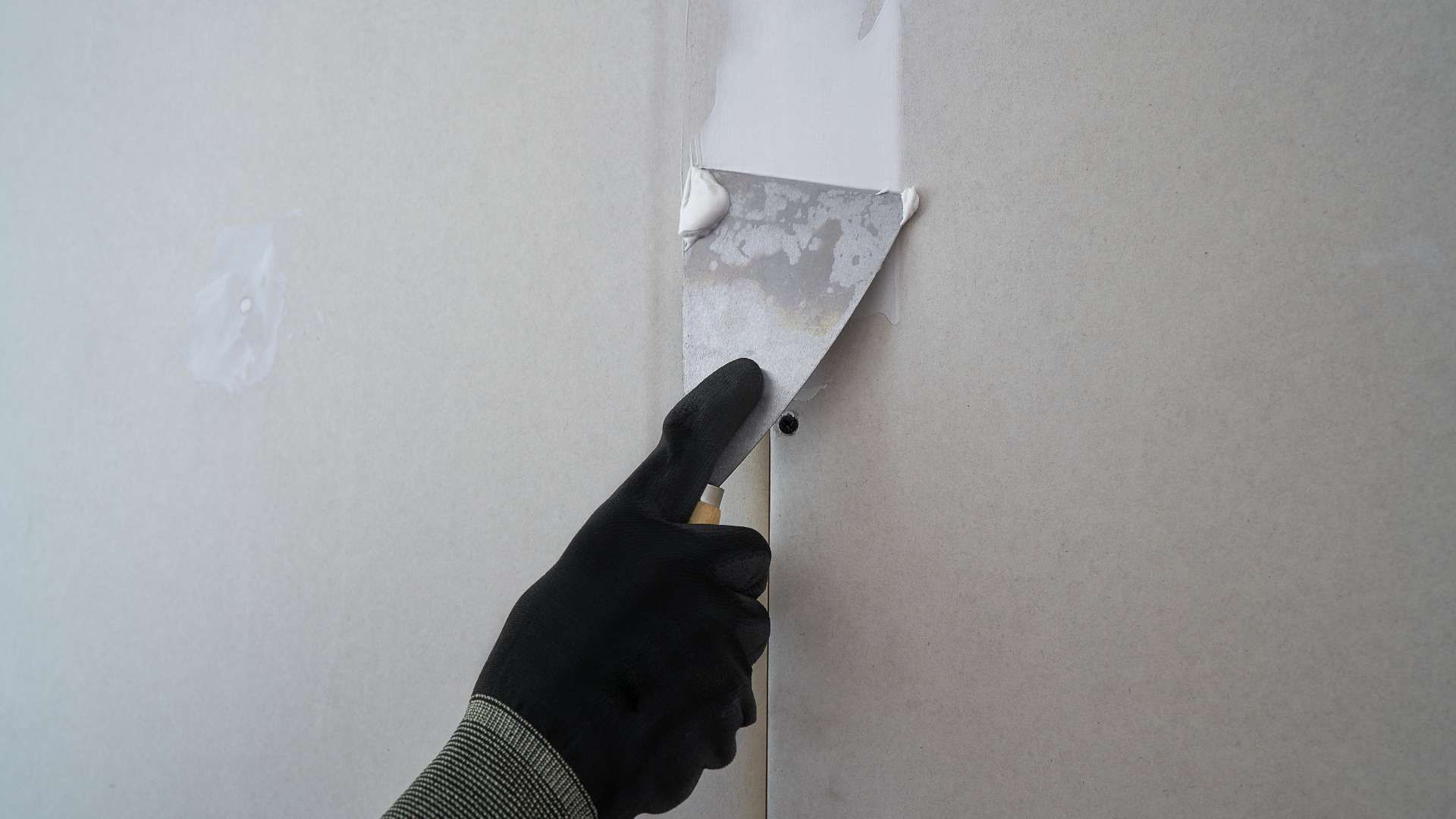
Fill holes, cracks, and dings with spackle or joint compound. Sand smooth once dry. This is especially important if you're using semi-gloss paint, which will highlight every imperfection.
Step 5: Sand and Clean Again
Lightly sand the entire surface to create tooth for the primer to grab. Wipe down with a damp cloth to remove dust. Let dry.
Step 6: Prime
Apply a quality moisture-blocking primer. Don't skip this step. It's the foundation of a long-lasting bathroom paint job.
Special Considerations for Florida and Tennessee Bathrooms
Florida Humidity Challenges
If you're painting a bathroom in Florida, you're dealing with extreme humidity year-round. Here's what matters:
Choose the highest-quality mold-resistant paint you can afford. The investment pays off when you're not dealing with mold growth in six months.
Ventilation is critical. Make sure your exhaust fan works properly and runs during and after showers. Consider a timer switch so it runs for 20-30 minutes after someone showers.
Consider a dehumidifier in bathrooms that don't have windows, especially in coastal areas where humidity is relentless.
Semi-gloss over satin is generally the better choice in Florida bathrooms because of the higher moisture resistance.
Tennessee Climate Considerations
Tennessee bathrooms deal with different challenges—humid summers, cold winters, and temperature fluctuations.
Temperature swings matter. Choose paint with good flexibility to handle expansion and contraction without cracking.
Winter condensation can be an issue. Running exhaust fans and keeping bathrooms at consistent temperatures helps.
Hard water stains are common in some Tennessee areas. Using cleanable, scrubbable paint makes maintenance easier.
Color Choices for Bathrooms
While we're talking about the best paint for bathrooms, let's touch on color because it affects how your space feels.
Light Colors Reflect Light
Small bathrooms benefit from light colors that bounce light around and make spaces feel larger. Whites, soft grays, pale blues, and light greens are perennial favorites.
Bold Colors Can Work
Don't be afraid of color in bathrooms, especially if they have good natural light. Deep blues, rich greens, even dramatic charcoals can look stunning. Just make sure you're using quality paint with good moisture resistance regardless of color.
Consider Undertones
In bathrooms with limited natural light, pay attention to paint undertones. Some whites can look dingy or yellow in artificial light. Test samples on your actual bathroom walls before committing.
DIY vs. Professional Bathroom Painting
Can you paint your bathroom yourself? Sure. Should you? That depends on a few factors.
Consider DIY if:
- Your bathroom has good ventilation
- Walls are in good condition with minimal prep needed
- You have time to do proper prep work
- You're comfortable working in tight spaces
- You're okay with potentially redoing it sooner
Hire professionals if:
- You're dealing with mold issues
- Walls need significant repair
- You want guaranteed long-lasting results
- You value your time
- You want it done right the first time
Professional painters like the team at WHOA Paintings bring expertise that makes a real difference in bathrooms. We know which products work best in your climate, how to prep surfaces properly for maximum adhesion, the right application techniques for moisture-prone areas, and how to identify and address underlying moisture issues before they ruin your paint job.
We're licensed and insured in both Florida and Tennessee, and our team speaks English, American Sign Language, Spanish, Haitian Creole, and Portuguese. We've painted countless bathrooms in both humid Florida conditions and Tennessee's variable climate, so we know exactly what works.
Maintaining Your Bathroom Paint
Once you've got beautiful, properly applied bathroom paint, here's how to keep it looking great:
Run the Exhaust Fan
This is the single most important thing. Run your exhaust fan during showers and for 20-30 minutes after. This removes moisture before it can damage paint.
Wipe Down Walls Periodically
A quick wipe with a damp cloth removes soap residue and prevents buildup. Do this monthly in high-use bathrooms.
Address Issues Immediately
See a small area of peeling or a mildew spot? Address it right away before it spreads. Quick touch-ups prevent bigger problems.
Keep Caulk Fresh
The caulk around your tub and shower keeps water from getting behind walls. Replace it when it starts cracking or pulling away.
Monitor Humidity
If your bathroom consistently feels damp even with the exhaust fan running, you might need additional ventilation or a dehumidifier.
FAQs About How Long Interior Paint Lasts
How long does interior paint last on walls?
Quality interior paint on walls typically lasts 5-10 years depending on the room, traffic level, paint quality, and application method. High-traffic areas may need repainting every 3-5 years, while low-traffic rooms can go 7-10 years or longer.
What type of interior paint lasts the longest?
Semi-gloss and gloss finishes last longest because they're the most durable and easiest to clean. Premium-quality paints from professional-grade brands also significantly outlast budget options. For maximum longevity, combine high-quality paint with professional application.
How often should you repaint your house interior?
Most homes benefit from interior repainting every 5-7 years on average, but this varies by room. High-traffic areas like kitchens, hallways, and kids' rooms may need attention every 3-5 years, while bedrooms and formal spaces can go 7-10 years.
Does expensive paint last longer than cheap paint?
Yes, significantly longer. Premium paint typically lasts 8-10 years compared to 2-4 years for budget paint. Higher-quality paint has better pigments, durability, and coverage, which means it looks better and lasts longer, often making it more cost-effective over time.
Can I make my interior paint last longer?
Absolutely! Use quality paint, hire professional painters for proper application, clean walls regularly, control moisture and humidity, choose appropriate finishes for each room, and address small issues before they become big problems. These steps can add years to your paint job's lifespan.
How do I know if my interior paint has gone bad?
Look for fading, chalking (powdery residue when touched), peeling, bubbling, cracking, stains that won't clean, or visible texture problems. If you're seeing any of these signs, your paint has deteriorated and it's time to repaint.
Does paint go bad if the walls aren't used much?
Even in unused rooms, paint can deteriorate over time due to UV exposure, temperature changes, and natural aging. However, low-traffic rooms typically last much longer, often 10-15 years, before showing signs of wear.
Should I repaint before selling my house?
Fresh paint is one of the best ROI improvements you can make before selling. If your paint is more than 5 years old or showing any signs of wear, repainting in neutral colors can help your home sell faster and for more money.
FAQs About WHOA Paintings
Where does WHOA Paintings provide interior painting services?
We're licensed and insured in Florida and Tennessee, serving homeowners and businesses throughout both states with professional interior painting services.
What languages does WHOA Paintings speak?
Our team speaks English, American Sign Language, Spanish, Haitian Creole, and Portuguese, ensuring clear communication with all our clients throughout the painting process.
How long will my paint job last if WHOA Paintings does the work?
With proper preparation and professional application using quality materials, our interior paint jobs typically last 7-10 years in most rooms, significantly longer than DIY or budget paint jobs. We use techniques and materials designed for maximum durability.
Does WHOA Paintings offer warranties on their work?
Yes! We stand behind our work and offer warranties on our painting services. Contact us at 865-382-9880 for specific warranty details on your project.
Can WHOA Paintings help me choose paint colors and finishes?
Absolutely! We offer color consultation services and can help you select the right paint type, finish, and color for each room to maximize both aesthetics and longevity.
How do I get a free estimate from WHOA Paintings?
Simply call or text us at 865-382-9880, and we'll schedule a convenient time to assess your project and provide a detailed, no-obligation estimate.
Ready for Fresh Paint That Lasts?
Now you know the truth about how long interior paint lasts and what factors affect its lifespan. The bottom line? Quality paint professionally applied can give you beautiful walls that look great for years, while cutting corners leads to more frequent repaints and frustration.
If your walls are showing their age, or if it's just been a while since your last paint job, it might be time for a refresh. Fresh paint doesn't just make your home look better; it protects your walls and can even increase your home's value.
The WHOA Paintings team is here to help you get the longest-lasting, best-looking results possible. We use premium materials, proper techniques, and years of experience to deliver paint jobs that stand the test of time.
Ready to transform your home with paint that lasts? Call or text us at
865-382-9880 to schedule your free consultation. Let's give your home the fresh, beautiful, long-lasting paint job it deserves. Serving homeowners throughout Florida and Tennessee with quality you can count on.
Disclaimer: The information provided on this blog is for general informational purposes only and should not be considered professional advice. While we strive to ensure that all content is accurate and up to date, no guarantees are made regarding its completeness or reliability. Readers are encouraged to seek professional guidance specific to their situation before making any decisions based on the information provided. The author and this blog disclaim any liability for actions taken or not taken based on the content herein.